
Recognition-First Leadership: Why Building People Builds Everything Else
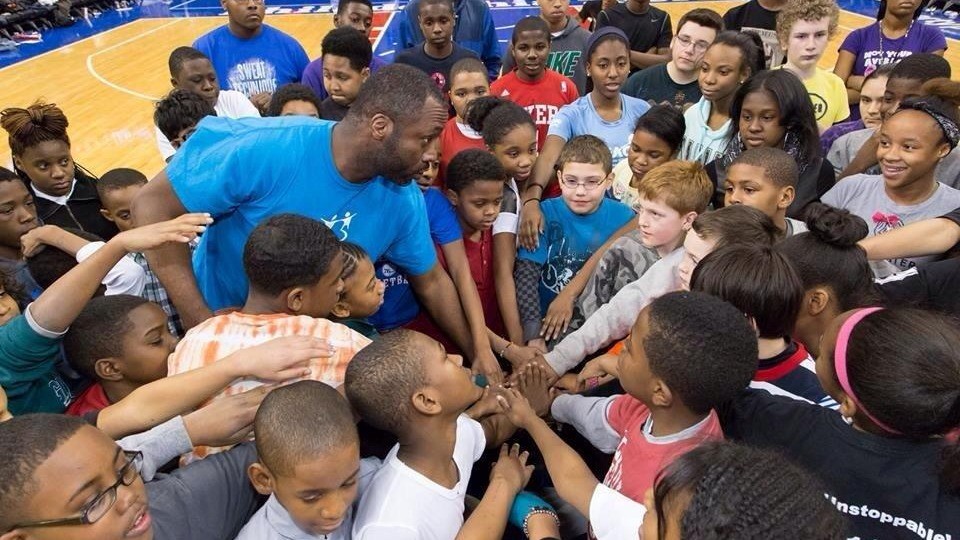
How Marcus Allen models recognition-first leadership — and why “giving more than you take” is the only sustainable way to lead
Some leaders chase results. Others build people — and the results follow.
When I spoke with Marcus Allen, what struck me immediately wasn’t just his credibility (13 years as CEO of Big Brothers Big Sisters Independence Region in Philadelphia, keynote speaker, board member, consultant). It was his presence.
Marcus doesn’t talk about leadership like it’s a title. He talks about it like it’s a responsibility.
And in a moment where many employees feel exhausted, overlooked, or interchangeable… his message felt like a reset button. Because Marcus is all about leading with purpose and building with people. As he told me, “It’s never about you as a leader. It’s always about your team.”
The first glimpse of feeling remarkable
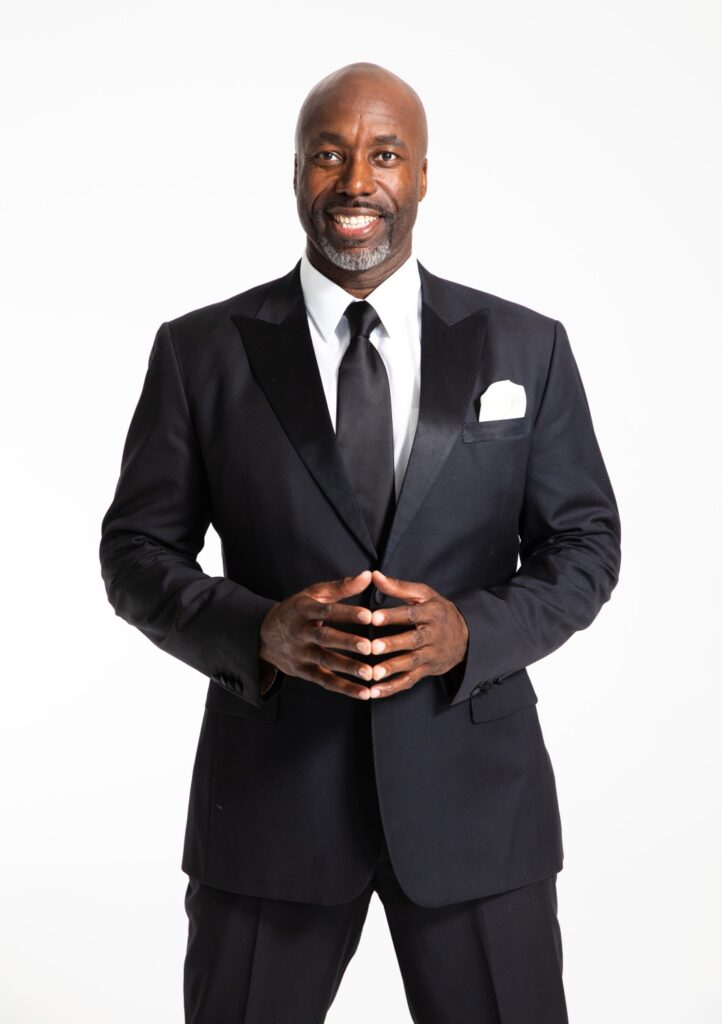
Marcus grew up in the projects in Atlanta and worked hard to create a different, better life for himself. After a stint in the military, he attended Paine College in Augusta, Georgia. He told me that’s when someone — his basketball team coach — first saw something remarkable in him.
Marcus was shy and certainly didn’t enjoy public speaking. But his coach saw leadership in him — not the loud, flashy kind, but the kind built on effort, consistency, and character.
So, his coach did something bold: he made Marcus speak — in practice, in church, in moments that forced him to build the muscle of voice. That’s how he recognized what was special about Marcus,
“He saw something in me that I didn’t see in myself,” said Marcus. It helped him build more confidence and glimpse the possibility of an even bigger future.
Recognition changes people like that.
Not because it flatters them. But because it calls them forward. Like it did with Marcus, setting him on the path of leading non-profits and businesses. Allowing him to really see others, and celebrate their talents and aspirations.
Employee recognition is essential
Marcus knows that recognizing your team isn’t a “nice-to-have.” It’s foundational. When people feel valued — truly valued — they bring their best to work.
“You are not the person getting it done. It’s the people who work for you who are getting it done,” he explained. “No one works harder for someone than when they feel valued, respected, and supported.”
That line hit me. Because we’ve all seen the opposite: high potential employees doing the bare minimum… not because they’re lazy, but because they feel underappreciated, disconnected and disengaged.
Givers vs. takers (and why some leaders get “stuck”)
Marcus believes there are two kinds of leaders: givers and takers.
He described how early in his career he bought into a false narrative — the idea that to rise, you have to be the visible hero. The one who takes credit. The one who proves they’re the reason success happens.
But then he hit the ceiling so many ambitious leaders hit. “Your capacity to give will dictate your capacity to elevate,” he said.
In other words: “taker” leadership may work for a while. But it doesn’t scale. It doesn’t last. It doesn’t build loyalty or legacy. And it certainly doesn’t build a culture where people feel seen.
How Marcus recognized people: a system that shaped culture
One of my favorite parts of our conversation was the how.
Marcus didn’t just say “recognize people more.” He built a repeatable approach that made recognition consistent, specific, and culture-shaping.
Years into his CEO role, as the organization grew, he realized success itself needed structure. That’s when he implemented EOS (Entrepreneurial Operating System) after two different CEOs independently recommended the same book (Traction).
Here’s what he did:
- Every 90 days, his leadership team held a structured retreat.
- Then they held an all-staff meeting.
- And in that meeting, Marcus recognized 6–10 people who lived the organization’s core values over the past quarter.
- He didn’t just name them — he gave specific examples of what they did and how it connected to the values.
Not vague praise. Not “great job, team.” But clear, detailed recognition that taught everyone:
- what excellence looks like here.
- what behaviors matter here.
- what gets celebrated here.
- what builds momentum here.
Marcus told me the results were immediate:
- People knew the core values.
- People understood what was expected.
- People felt more connected to the CEO and the vision
- Clarity improved performance because everyone was rowing in the same direction.
Recognition didn’t just make people feel good. It created alignment.
Speaking of clarity, Marcus frequently challenges people who talk about “chasing their passion.” What he encourages his team, employees and others to do instead is to pursue clarity.
“Once you have clarity, your passion reveals itself-but not until then,” he explains. “Clarity comes first, then passion follows.” Marcus ended our conversation with a message that felt like a challenge to anyone with power, platform, or responsibility: “Do more for other people. Give until it hurts. Not for applause — but because it’s the right thing.”
Now I’d love to hear from you:
Who’s a leader that you’ve worked with who excelled at recognition — and what did they do that made you feel truly seen?
Tag them here and drop your thoughts below so we can spotlight remarkable leadership!